
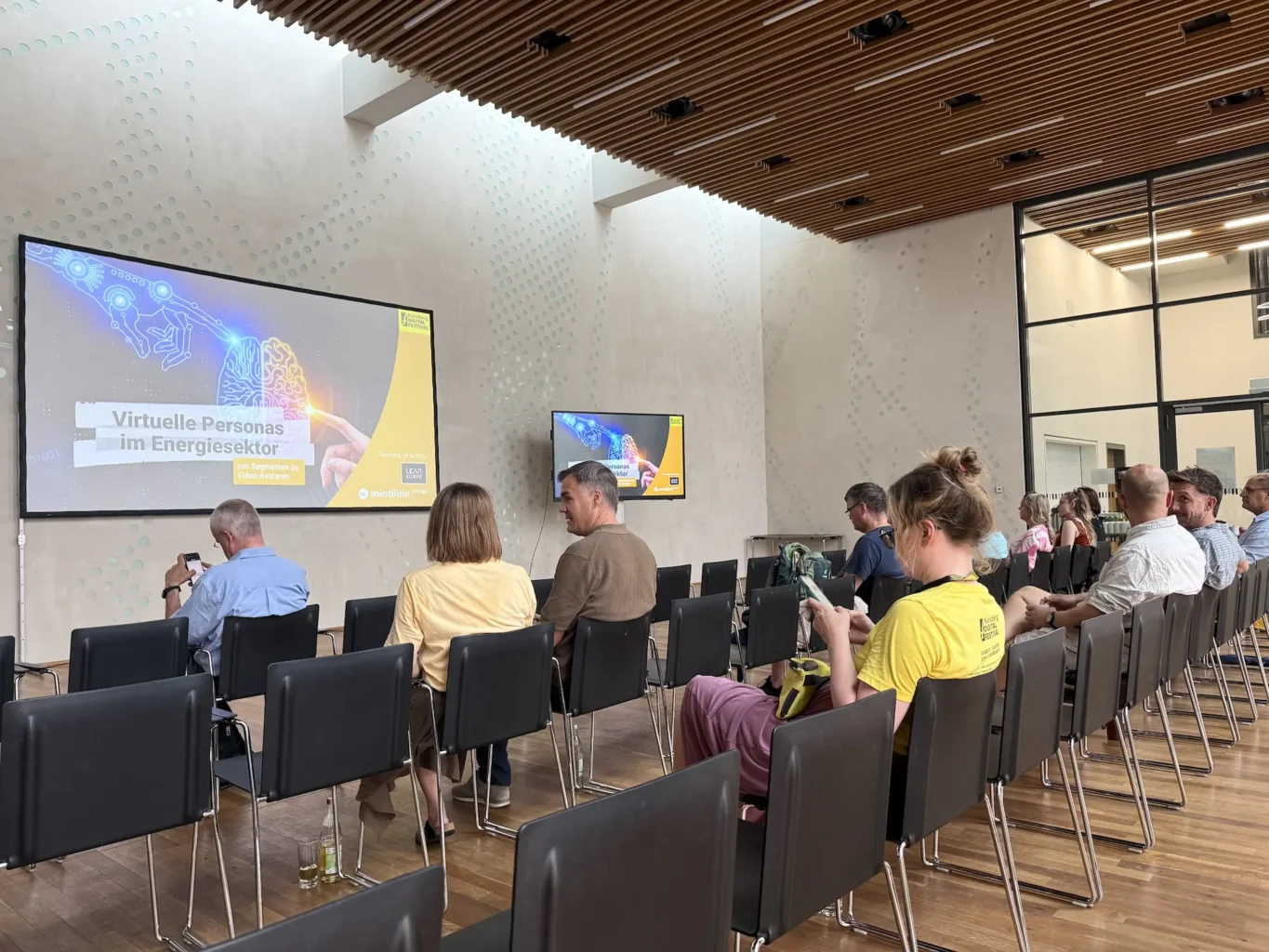
At Nuremberg Digital Festival 2026, our CEO Thomas Immich and Michael Briem from mindline energy gave a talk built around a provocative question: what actually distinguishes a politician from a language model? The answer turned out to be more uncomfortable than expected and highly relevant to how AI really works.
Hallucination or lie?
When politicians say something untrue, we call it a lie. When AI does it, we call it a hallucination. The words sound very different, but both point to the same underlying issue: what is true? Language models tend to produce the answer that is most likely to be accepted in context, similar to communication that adapts strongly to its audience.
How language models really think
At its core, a language model is a prediction model that strings probable next words together based on training data and context. That is why context quality matters so much, and why bigger context windows are not automatically better. In practice, focused context often produces more reliable outcomes than very large, unstructured input.
Strong signals win
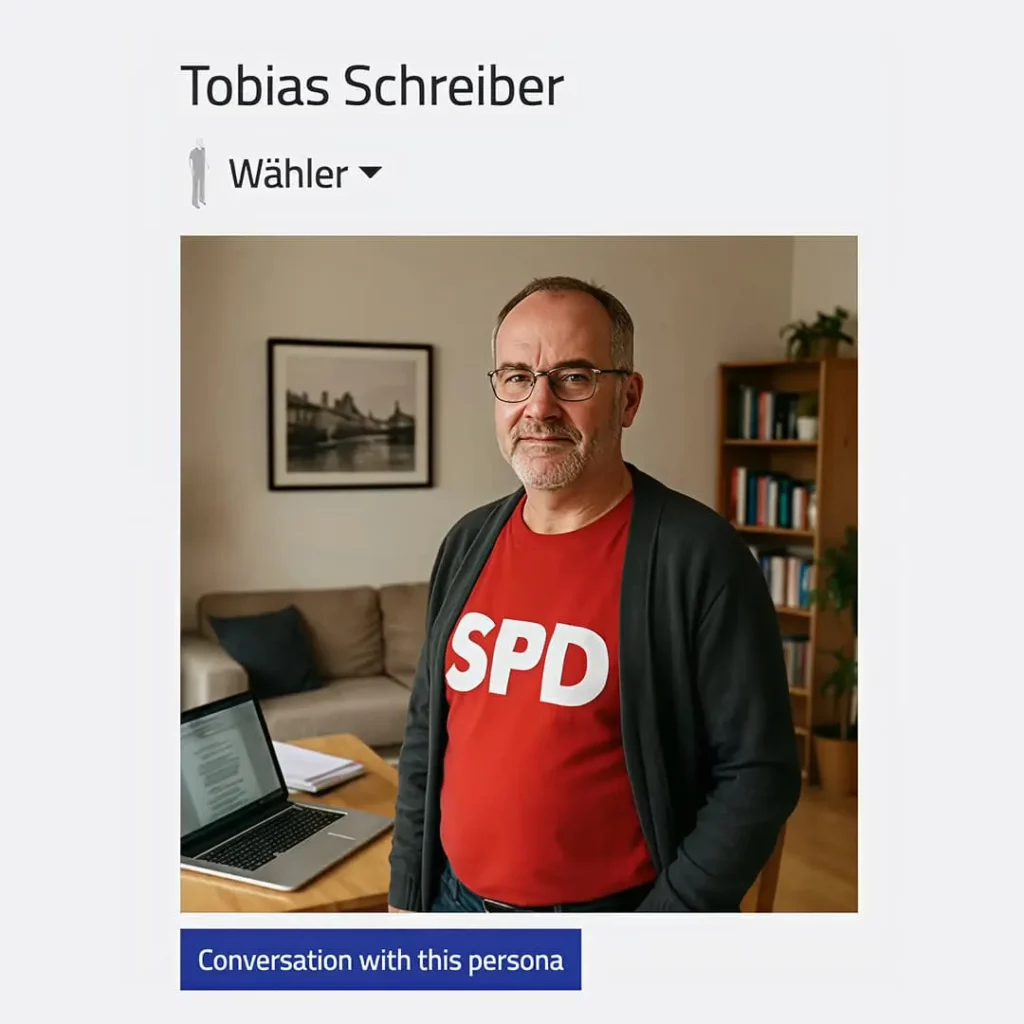
A Wahl-O-Mat experiment demonstrated how an AI persona with clear political positions can produce surprising recommendations. Transformer models often weight strong and unambiguous signals more than nuanced positions. This is less a political intention and more a structural property of the model architecture.
What this means for us
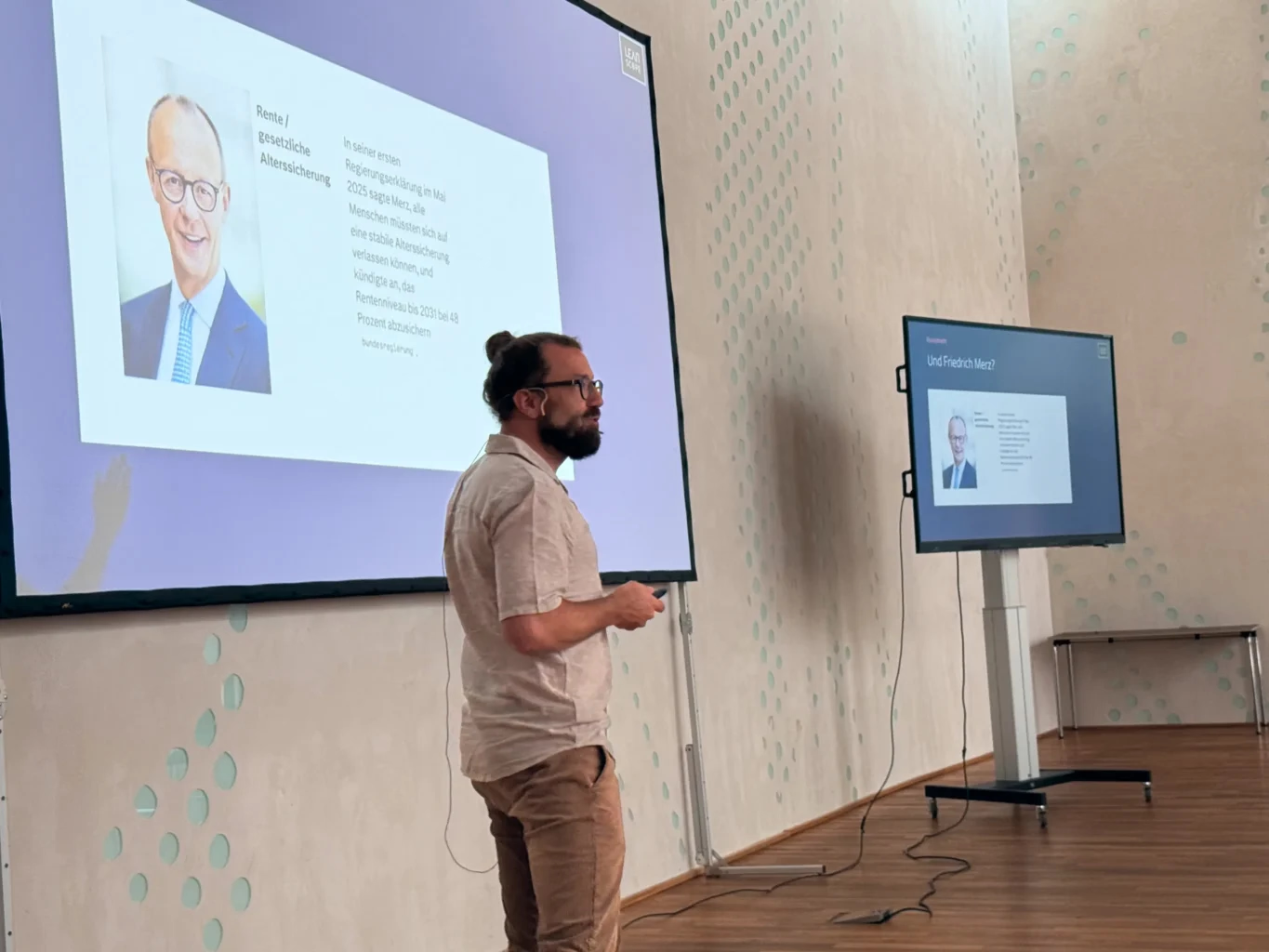
These takeaways directly inform our project work: good AI outcomes require high-quality data collected from real people. Model-agnostic tools like LeanScope AI help reduce dependency on any single model. And a deliberate handling of AI-generated content is becoming a core competency, especially in public and political contexts.